Why to the neurologist
Neurology is the clinical medical specialty that deals with the diagnosis, monitoring, treatment and research of diseases that affect our nervous system , that is, the brain, the spinal cord, our peripheral nerves, their connections to the muscles and (consequently) the muscles.
Throughout our lives from birth to old age, the nervous system becomes the target of many diseases, other curable or largely treatable and other incurable, but often with a chronic course. Many of these diseases greatly affect our quality of life, functionality and independence and sometimes our very lives.
With the continuous progress of medicine and other biological and natural sciences in the last decades, Neurology is evolving into a specialty that, in addition to the possibilities of more accurate diagnosis, has many and increasing possibilities of therapeutic interventions.
Some of the common troubles that should lead us to the Neurologist is:
- headaches
- neck and waist pain and generally chronic pain
- pain, numbness and weakness in the extremities
- difficulty walking
- trembling
- dizziness, vertigo or instability
- episodes of loss of consciousness
- some vision difficulties such as e.g. sense of double vision
- difficulties in memory and speech
- difficulty sleeping
- mood or energy disorders
Among others, the Neurologist is the doctor responsible for diseases such as:
- Migraines
- Vascular stroke and vascular strokes
- Epilepsy
- Craniocerebral injuries and spinal cord injuries
- Dementia and other neurodegenerative disorders
- Parkinson's disease and other movement disorders, such as dystonia
- Multiple sclerosis
- Disc diseases - root diseases
- Polyneuropathy
- Infections and tumors of the brain and spinal cord
- Myopathies and myasthenia
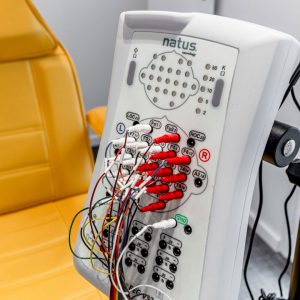
The Neurologist can in addition to taking it history and her clinical examination to collect data from the patient with use of modern diagnostic methods trained to use, such as electroencephalogram , the electroneurogram and electromyogram, the provoked dynamics , but also him ultrasound (for the control of blood vessels, nerves and muscles).
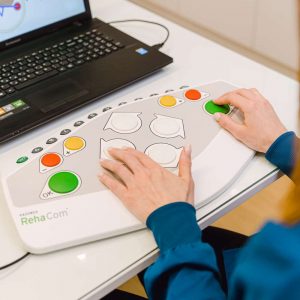
It has the ability to offer treatments, medicinal or not. Some of them are highly specialized, such as interferons, monoclonal antibodies and injectable botulinum toxin. Also, increasingly coordinate the treatment team it offers neurorehabilitation services , not only in motor but also in higher mental functions.