Electroencephalogram (EEG)
Αρχική / Neurophysiological Laboratory / Electroencephalogram
Information
for the examination
Basic elements:
- The electroencephalogram is one of them more widespread examinations of clinical neurophysiology
- Constitutes an very important tool for study and diagnosis of various diseases
- Through this diagnostic method electrical activity of the brain is measured
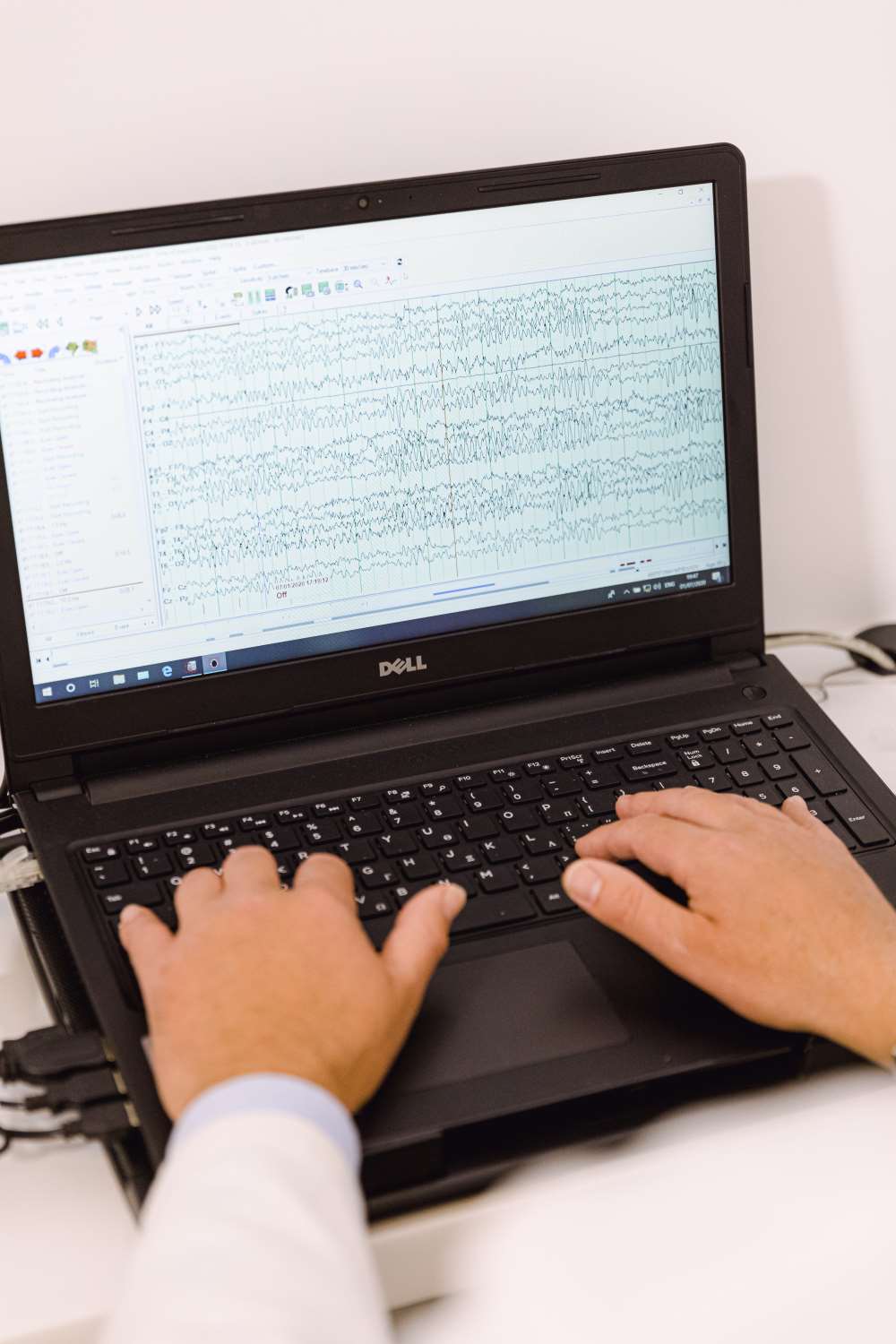
- Recording this activity produces one electroencephalogram (computer graph)
When does one need to seek the help of a specialist? Diseases
The neurologist depending on the clinical condition of the patient, will recommend the performance of the specific outpatient examination.
The Electroneurogram in combination most often with the electromyogram carried out in the following cases :
- Electroencephalogram is one of the main diagnostic methods:
- brain disorders and dysfunctions (eg epilepsy)
- investigation of other clinical conditions and questions ( e.g. brain infections, brain tumors, etc.)
- other disorders affecting brain activity (eg Alzheimer’s disease, spongiform encephalopathy, sleep disorders)
- At the same time the electroencephalogram may be useful:
- in evaluation of a total electrical activity of the brain (eg brain injury, or the extent – impact, which has caused a brain injury, etc.)
- and for other reasons , for which the doctor will judge its application
Examination
What is the patient's preparation before the examination?
No special preparation is required for the examination. The patient but it can follow some general rules before the examination
- The night before he has to wash his hair with shampoo, but not with other more specialized products
- Do not put cream, lotion or other oils on the scalp on the day of the examination
- Avoid consuming liquids or foods that contain caffeine , for 8-12 hours before the examination
- Follow any instructions given to you by your doctor regarding sleep , the night before the exam
- Do not stop using medication , unless explicitly ask the doctor
The patient informs the doctor if:
- take any medication or dietary supplement
How is the test performed?
During the examination:
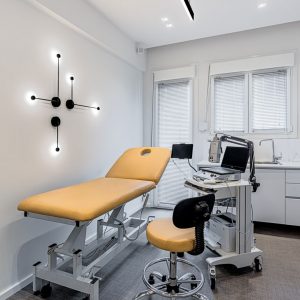
- the patient sits comfortably in a chair or on a bed
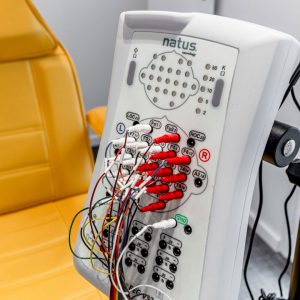
- are adapted at least 23 electrodes (small metal discs) on the scalp with a special cream or cap (like a cap) containing the corresponding electrodes
- the patient relaxes, closes his eyes and remains motionless
- when it starts the recording will need to remain stationary throughout. The doctor will guide him with instructions in what he needs to do. Recording may be interrupted at intervals to rest the patient or change posture.
- At times he will be asked to keep his eyes open. He will also be instructed for 1-2 minutes to take faster breaths, as if panting, (test of hyperpnea), or will receive a strong light stimulus in front of him that will flash quickly (test of intermittent light stimuli)
- The examination lasts along with their preparation and placement electrodes half to one hour
- Upon completion of the examination the doctor will inform the examinee accordingly
- The Electroencephalogram advised by the Neurologist and together with the finding are given in electronic form and printed excerpts from the log
Can there be complications from the test?
- It is a safe, painless, harmless and simple method , as it does not expose the subject to any danger, nor radiation, or painful irritation
- The examinee can immediately return to his daily activities except if the test has been done after sleep deprivation


Previous
Next