Nerve and Muscle Ultrasound
Αρχική / Neurophysiological Laboratory / Nerve and muscle ultrasound
Information
for the examination
Basic elements:
- Ultrasound of nerves and muscles is additionally applied together with the electroneurogram-electromyogram to assess the functional state and to find anatomical changes in the nerves and muscles
- Specifically through ultrasound high frequency sound waves are used to take pictures that reflect points inside the body
What are the symptoms?
The specific examination suitable in cases:
- symptoms pressure of a nerve
- symptoms muscle disease
- symptoms polyneuropathy
- finding a bladder or tumor that presses on a nerve
We also use it to accurately guide our needle into a specific muscle and inject special drugs (such as botulinum toxin) into it.
When does one need to seek the help of a specialist?
The neurologist depending on the clinical condition of the patient, will recommend the performance of the specific outpatient examination
- The specific additional examination provides the physician with important information about :
- the cause of stress on a nerve (eg hematoma, cyst, etc.)
- the morphology of peripheral nerves
- the morphology of a muscle and the existence of involuntary contractions within it
Examination
What is the patient's preparation before the examination?
- For this examination no specific preparation is required. It is almost always performed together with the electroneurogram-electromyogram
How is the test performed?
During the examination:
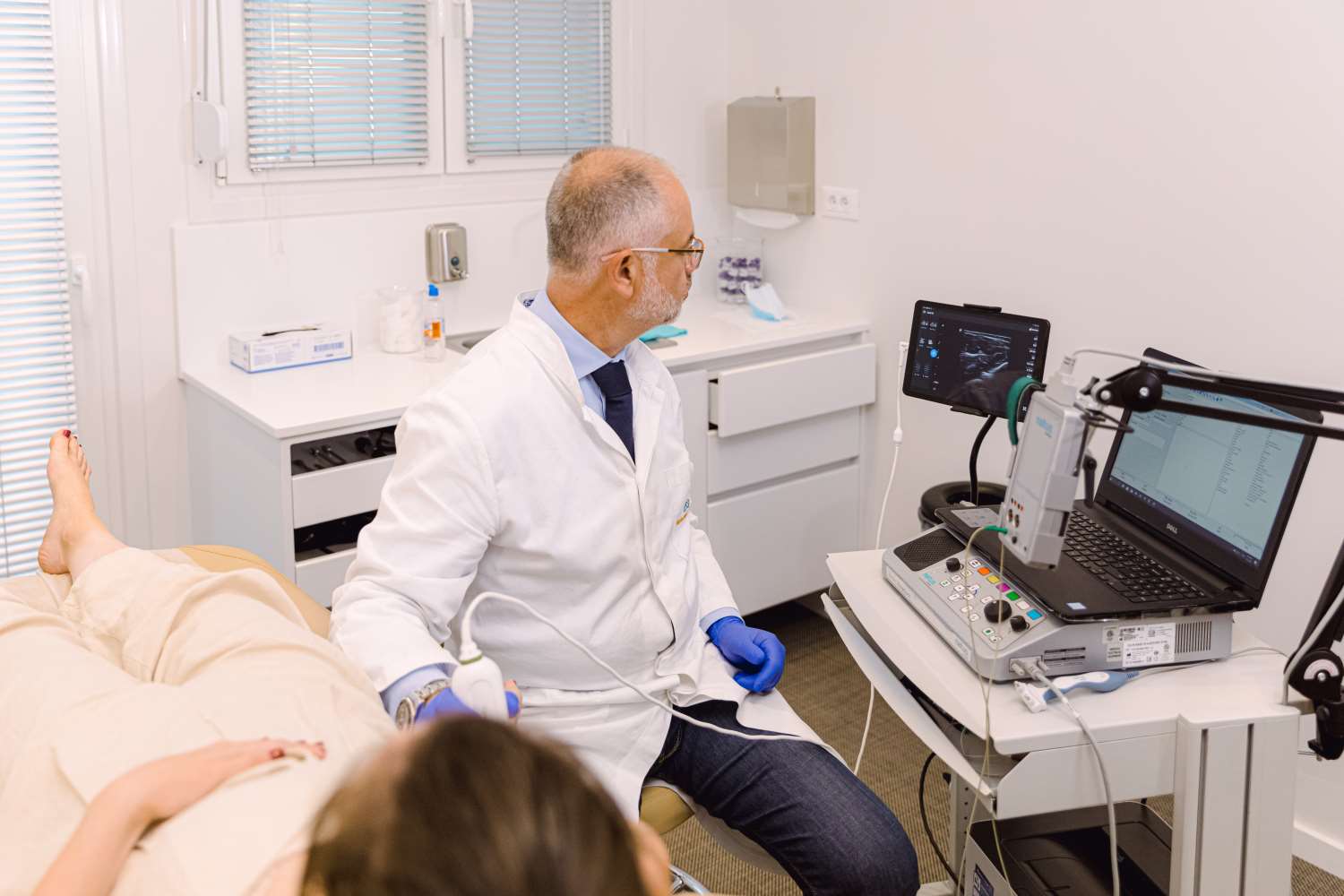
- the patient sits in a chair or lying on the examination bed
- a special cream (gel) is applied to a specific area of the skin
- a small machine (ultrasound head), which sends and receives high-frequency sound waves, rests with little pressure on the subject’s body
- The examination Lasts usually a few minutes
Can there be complications from the test?
- The examination is painless and harmless .




Previous
Next